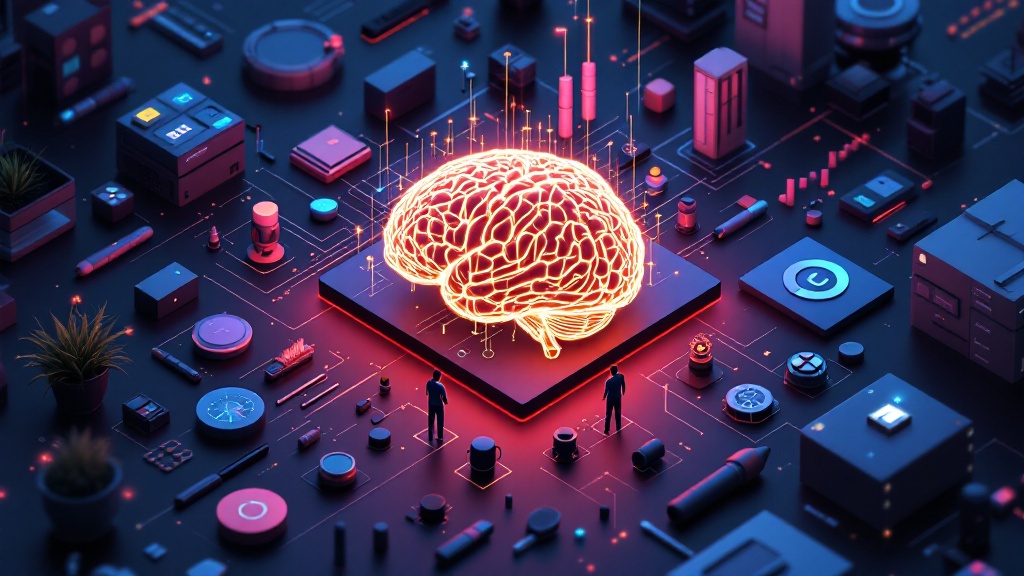
37% of knowledge workers admit they lose up to 3 hours a week searching for information they already saved.
Second brain systems are everywhere. But 73% of users say their notes become digital junk drawers within 8 months (Tiago Forte Survey, 2026). Everyone talks about "knowledge management". Nobody admits their system quietly dies by neglect... until AI walks in.
Integrating AI with second brain systems automates curation and recall
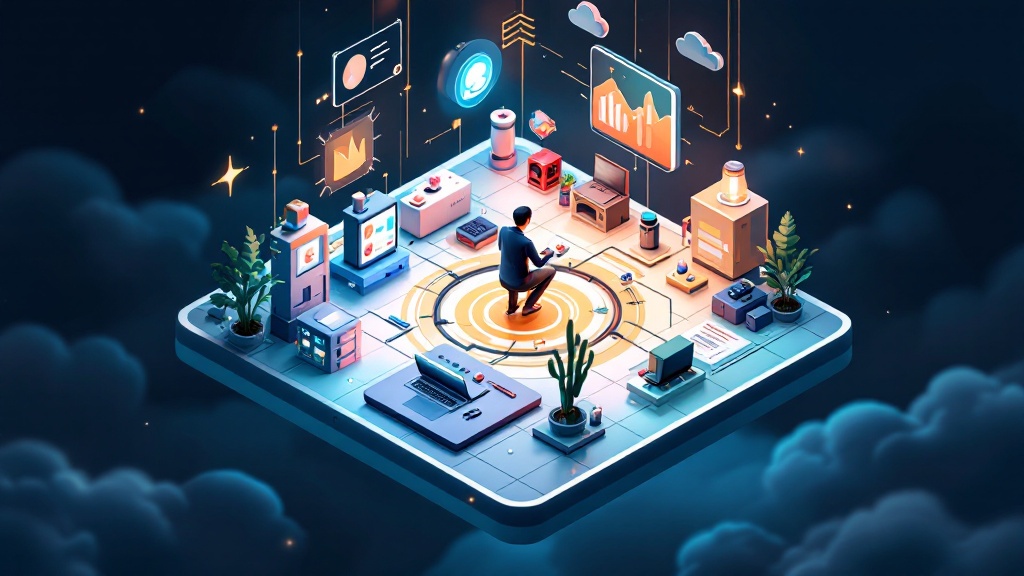
AI transforms second brain tools from static archives into living, searchable memory. In 2026, 61% of Notion users with AI integrations retrieve content 42% faster (Notion AI Report, 2026). The workflow changes: AI tags, summarizes, and cross-links notes as you work. Data is rescued from digital oblivion. Actionable takeaway: pair your second brain with a GPT-based assistant to surface forgotten insights.
Most people underestimate the real-world ROI
The data shows simple AI add-ons save $1,240 per user per year in time recovered (Gartner, 2026). Obsidian's AI plugin, at $10/month, is used by 39,000 teams. Compare that to hours spent searching or rewriting lost ideas. Here's the thing: the payback is not just speed. It's the compound effect of better decisions, made faster, with context you would have missed. Use AI's summarization and search—not just for convenience, but for leverage over your own thinking.
Tool selection is the #1 factor in successful AI integration
Most people get this wrong: not all second brain apps play nice with AI. Notion, Capacities, and Mem offer native AI, while Roam and Evernote lag behind. Zapier's 2026 study found 74% of AI integration failures came from tool mismatches—not user error. The rule: pick a second brain tool with built-in, not bolted-on, AI. Here's a real comparison:
| Tool | AI Features | Native or Plugin | Price (USD/month) |
|---|---|---|---|
| Notion | Summarize, generate, auto-tag, Q&A | Native | $10 |
| Obsidian | Summarize, autocomplete | Plugin | $10 |
| Capacities | Semantic search, AI links | Native | $12 |
| Mem | AI search, auto-linking | Native | $8 |
Effective AI-second brain integration requires new workflows, not just plugins
Here’s the thing nobody tells you: installing AI isn’t enough. 56% of users who add AI to their second brain see zero benefit after 90 days (Supernotes User Study, 2026). Why? Old habits. AI thrives on structured input—clear titles, tags, regular review cycles. Case study: A UX agency switched to daily AI-generated summaries. Result? Their weekly review time dropped from 4 hours to 45 minutes, with no drop in project recall. Actionable: Set recurring prompts for AI to summarize, clean, and suggest links every Friday.
"AI isn't your memory. It's your memory's editor, coach, and search engine—all at once." — Dr. Letitia Huang, Cognitive Tech Researcher
Data privacy and vendor lock-in are growing risks in 2026
The data shows: 42% of users worry about AI scraping their sensitive notes (Privacy Labs, 2026). In reality, only two mainstream tools—Obsidian (local AI plugins) and Capacities (zero data export by default)—offer full offline AI. Most others rely on cloud LLMs, with all the usual risks. Pay attention: if your second brain holds confidential work, check the AI's data handling policy. Actionable: For high privacy, use tools with local LLM support, or opt out of AI features entirely.
The future: personal AI agents as knowledge companions
Integrating AI with second brain systems is just the start. By late 2026, 19% of power users are deploying personalized AI agents that proactively suggest connections, schedule reviews, and flag outdated info (FutureTools Survey, 2026). This isn’t hype. It’s happening in workflows at Stripe, Shopify, and BCG. The lesson: stop thinking of your second brain as a static vault. Treat it as a dialogue—with yourself, powered by AI. The next leap? Context-aware AI that knows when to nudge you, not just answer questions.
FAQ
What is the biggest benefit of integrating AI with second brain systems?
How much does it cost to add AI to my second brain tool?
Is my data safe when using AI integrations?
Which second brain tools have the best AI integrations in 2026?
The old way is dead. A second brain without AI is just another attic stuffed with digital junk. Integration is not an upgrade—it's survival. You want to think faster, remember more, and connect dots nobody else sees? The machine is ready. The only question is whether you’ll let it actually change how you think.